
CO₂ half-year report: on the road to carbon neutral
06/10/2025

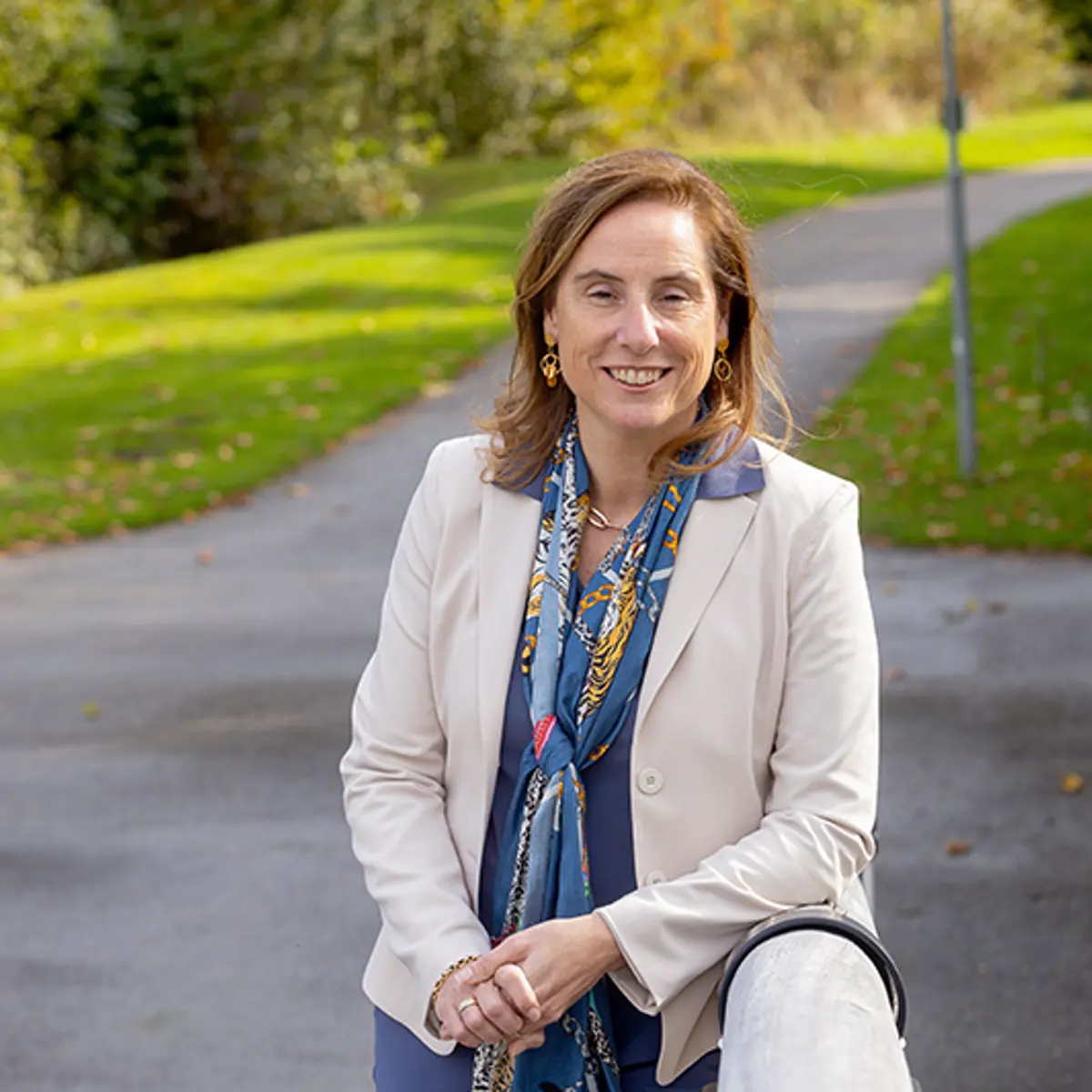
Our CSR director Bramske van Beijma sees it as her task to make ground-breaking progress in infrastructure and the built environment. Her passion started during her holidays in Zeeland, where the air was remarkably cleaner than at home.
We keep improving in the field of sustainability. Read all about it:

Read more
Read more

Read more

Read more

Read more
Read more

Read more
We are working hard to achieve CO2-neutral construction sites by 2030. That is why we already reduced our CO2 emissions by more than 57% between 2008 and 2020. By 2021, we will have achieved a 35% CO2 reduction compared to our new base year of 2019.
A few of the steps we are taking:
Besides 100% CO2-neutral construction sites by 2030, we have the ambition to achieve energy-neutral operation by 2040. We prevent the use of new raw materials by designing and building in a detachable and adaptable way and by using reused and recycled materials as much as possible. Whenever new raw materials are needed, they are bio-based and non-toxic as much as possible.
There is no second planet. Therefore, we have to be economical with what we have. To avoid harmful fossil fuels, we made an urgent choice in 2021: Ballast Nedam uses 100% green energy at offices, production sites and construction sites.
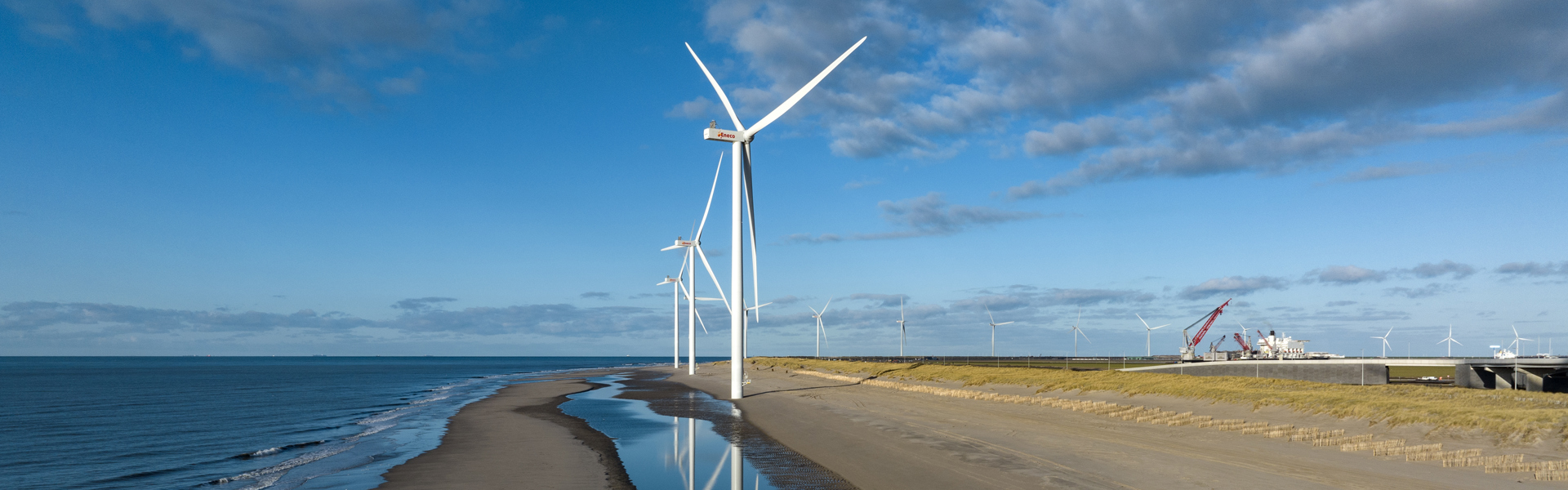
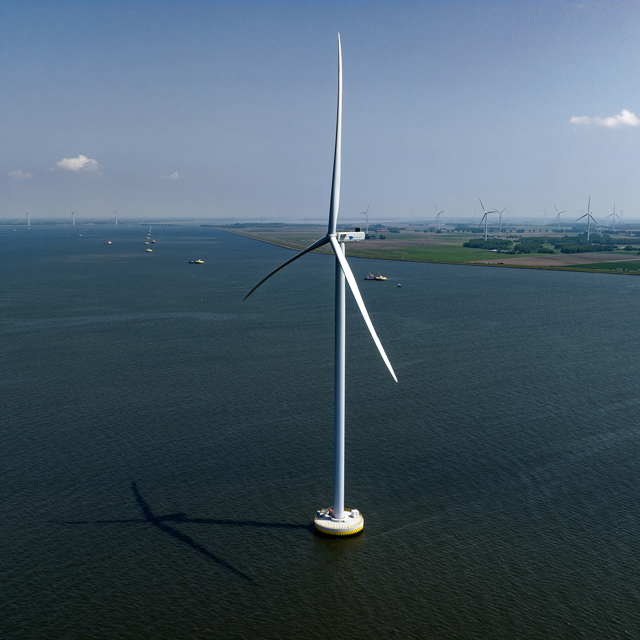
We are working ever more energy-efficiently, combating waste and generating our own green energy. In this way, we can realise sustainable energy projects for ourselves and our clients.
More and more hydrogen filling stations are being built in the Netherlands and abroad. The specialists of our Ballast Nedam Industriebouw division have been working on innovations in the field of this new fuel for decades. They have already realised hydrogen filling stations throughout the Benelux, where they work within the WaterstofNet platform. With members from industry and government, this platform develops sustainable hydrogen projects, making emission-free transport and energy storage increasingly feasible.
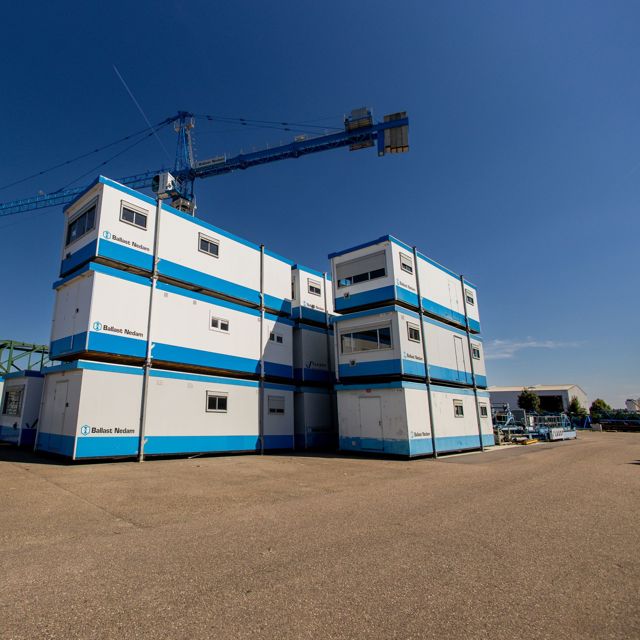
We invest in more sustainable units with high insulation, double glazing, light sensors and LED lighting. Sustainable heat pumps provide cooling and heating.
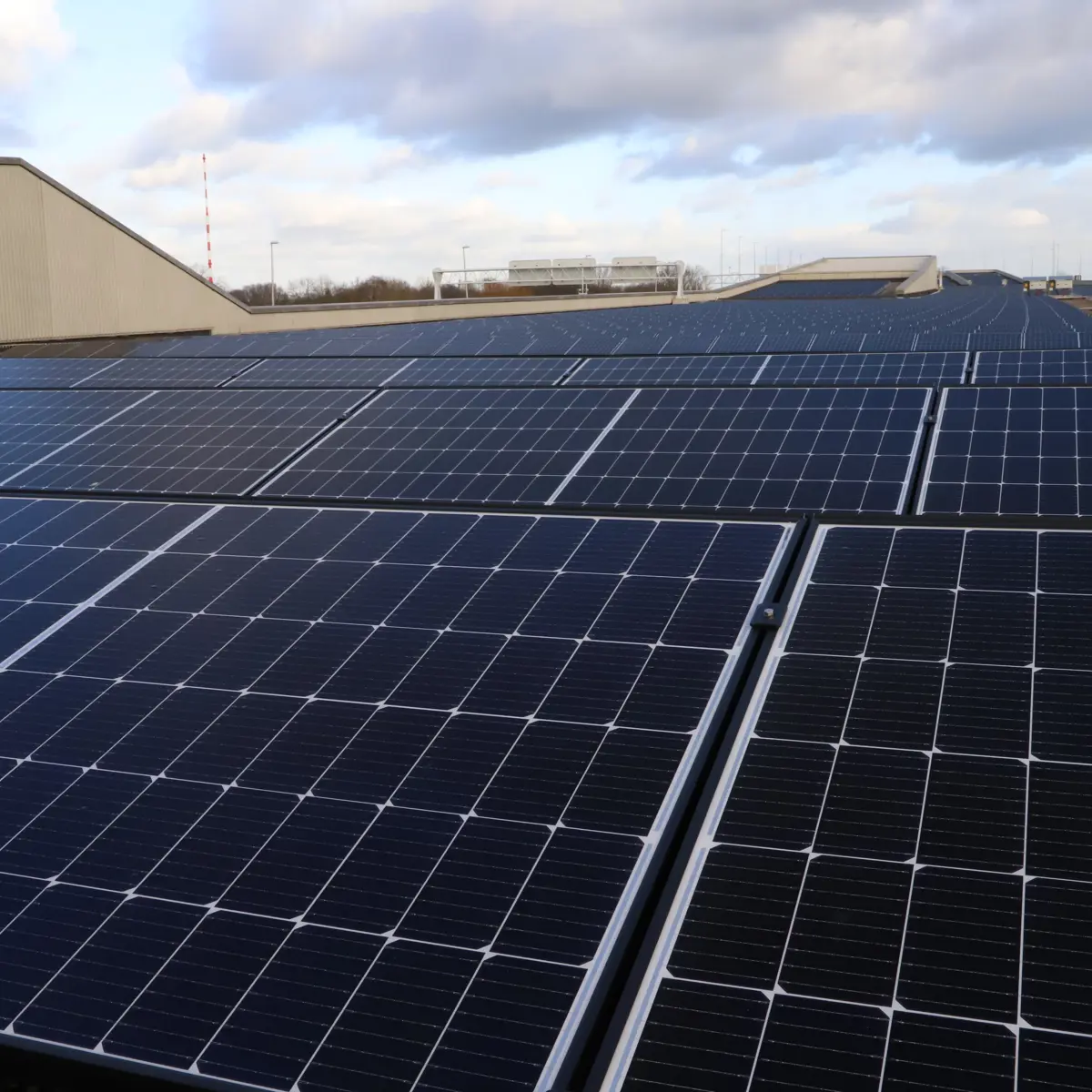
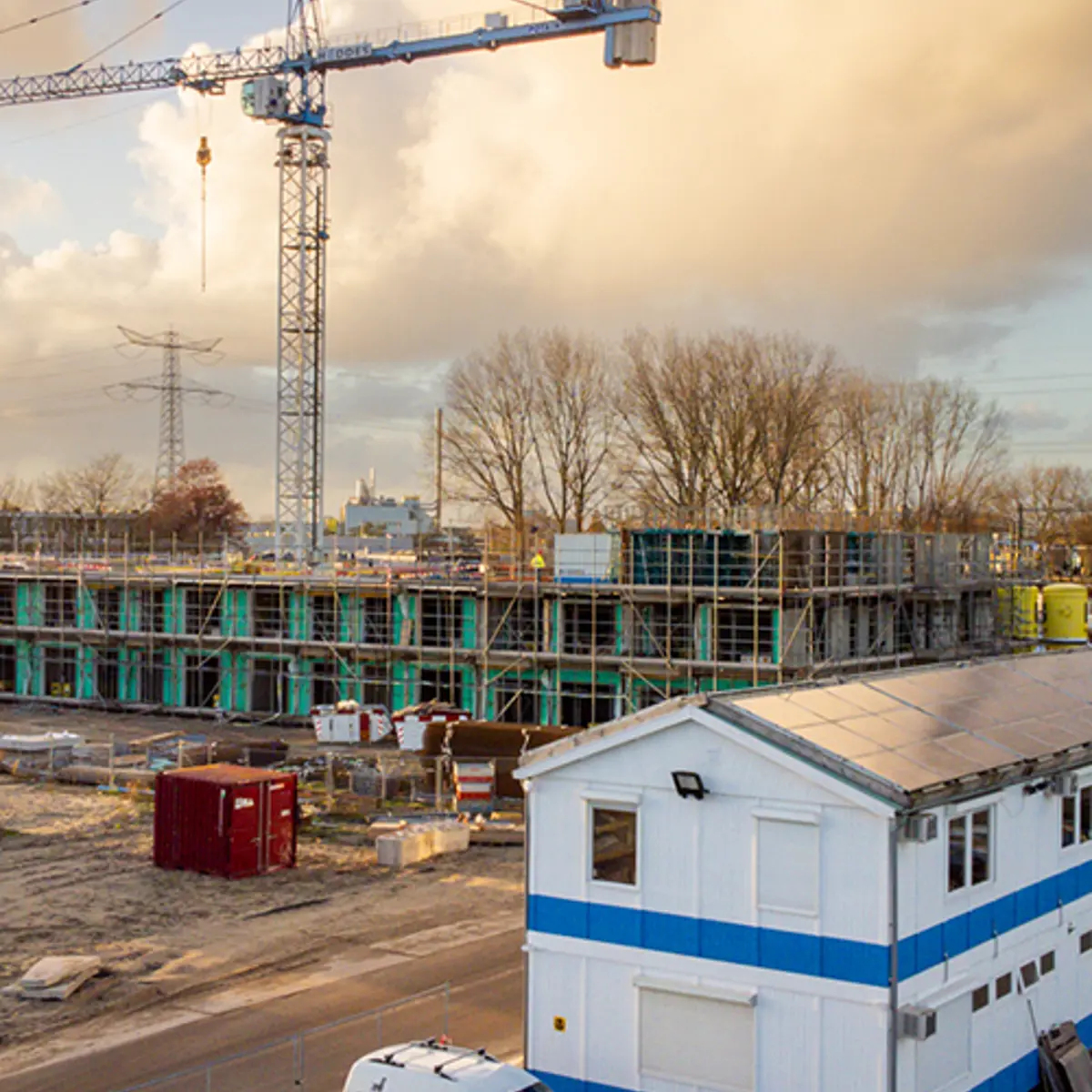
We are also increasingly installing solar panels on the roofs of our units, sometimes combined with a battery pack. The frames used to mount the panels on the roofs are designed in such a way that they can easily be reused. Just like the solar panels.
Read more about the techniques we use, our focus themes and similar projects.
06/10/2025
Alblasserdam

Amsterdam